

June 10, 2026
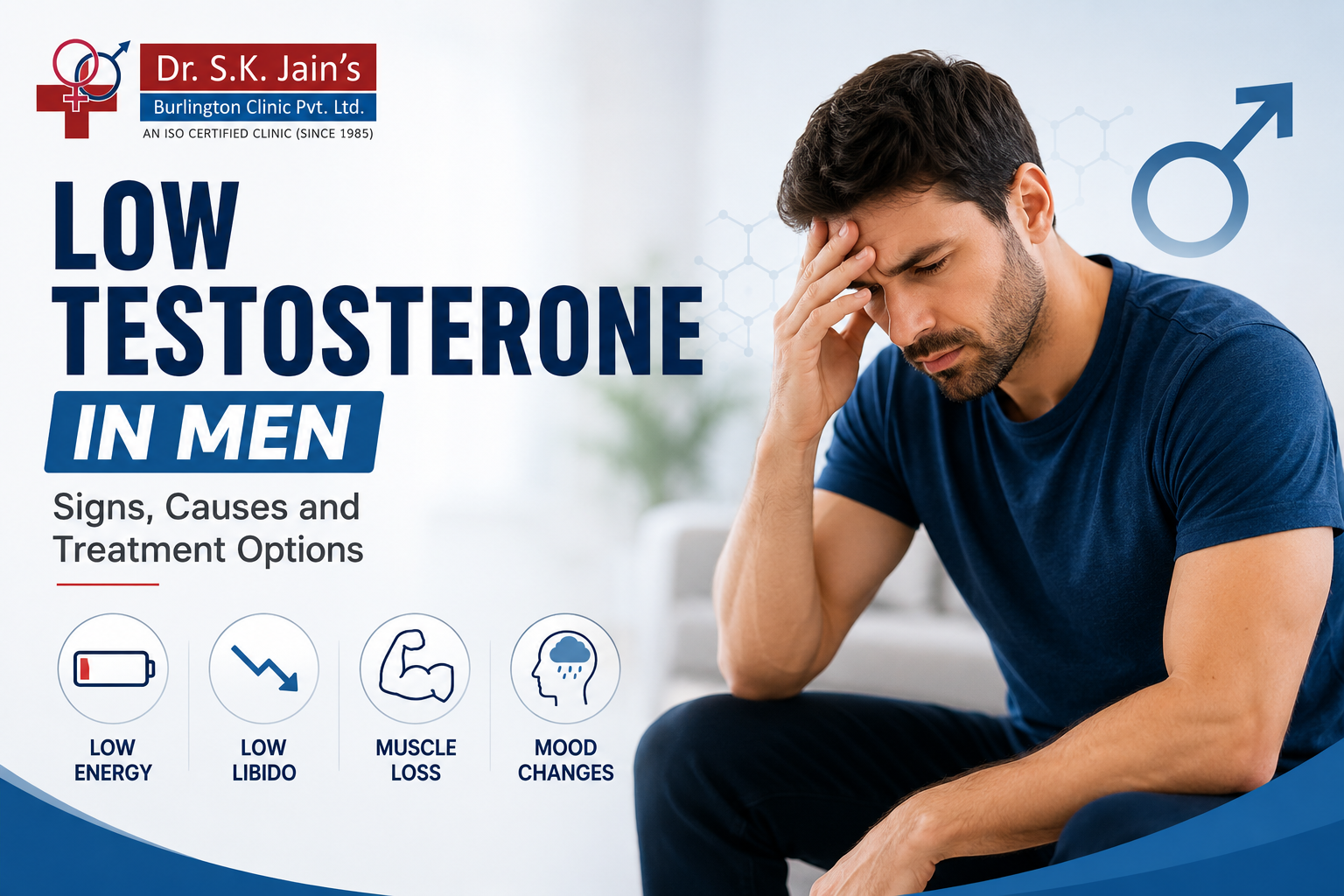
Low Testosterone Symptoms in Men: Signs, Causes, and Treatment Options
Testosterone is one of the most important hormones affecting a man’s energy levels, muscle mass, and sexual health. As you age, testosterone levels begin to decline. Some men may experience a significant drop, a noticeable symptom.
These changes develop gradually, making them easy to overlook. The key is to understand the symptoms of low testosterone, helping you identify potential concerns and seek medical advice.
This blog discusses the most common signs, causes, and treatment options for low testosterone in men.
What Is Low Testosterone?
The human body involves several hormones, and testosterone is one of the most important ones, playing a key role in a man’s energy levels, muscle mass, mood, and sexual health. An occurrence of low testosterone means the body is producing less testosterone than it needs to function properly. Ageing, certain health conditions, or lifestyle factors can all influence testosterone levels. A significant drop in testosterone levels often makes men experience symptoms related to physical, mental, and sexual well-being.Common Low Testosterone Symptoms in Men
The symptoms of low testosterone in men can vary from person to person. It often develops gradually over time. Some men experience a few signs, while others may experience a combination of physical, emotional, and sexual issues. The following are some of the most common symptoms that indicate low testosterone levels.Reduced Sex Drive
Reduced sex drive or a significant decrease in libido is considered one of the most common low testosterone symptoms. Affected men may notice less interest in sexual activity than usual.Erectile Dysfunction
Difficulty in achieving or maintaining an erection is another strong low testosterone symptom. However, the issue of erectile dysfunction can also occur due to other underlying causes. In a nutshell, a medical evaluation is necessary to identify the real cause.Fatigue and Low Energy
Experiencing tiredness and reduced energy level despite enough rest is another common symptom of low testosterone.Loss of Muscle Mass and Strength
The hormone testosterone helps support muscle growth and maintenance. When the levels begin to decline, it may make it more difficult to build muscles and maintain physical strength.Increased Body Fat
An increase in body fat, especially around the abdomen, is commonly seen in men affected with low testosterone.Mood Changes
A significant effect on emotional well-being, such as irritability, mood swings, difficulty concentrating, or feeling depressed, is also normal to see in men with low testosterone.Sleep Problems
While not too common, many men with low testosterone may also experience sleep disturbances, such as trouble falling asleep or staying asleep.How to Know If You Have Low Testosterone?
Noticing or even experiencing one or more symptoms does not mean you have low testosterone. Many of these symptoms can be linked to other concerns or health conditions, such as stress, aging, or poor sleep. Experiencing a few symptoms persistently, such as low libido, fatigue, mood changes, or loss of muscle mass, can be a concern to seek medical attention. A blood test that measures your hormone levels is one of the most reliable ways to determine if you have low testosterone. Consulting a doctor is still essential as they may review your medical history, symptoms, and overall health to identify any underlying causes and seek the most appropriate treatment and support at the right time.What Causes Low Testosterone?
While several reasons can cause low testosterone, it can vary from person to person. Also, certain heath and lifestyle factors can contribute to lower hormone production. Some of the common low testosterone causes are as follows:- Aging: As men get older, their testosterone levels gradually begin to decrease.
- Obesity: An excess of body fat can also significantly affect hormone balance, including reduced testosterone production.
- Poor Sleep: Lack of quality sleep can negatively impact testosterone levels.
- Chronic Stress: Dealing with stress for a long duration can interfere with hormone regulation in the body.
- Medical Conditions: Men already affected with other medical conditions, such as diabetes, hormonal disorders, and certain chronic illnesses, can also contribute to low testosterone.
- Certain Medications: Certain medications and medical treatments can affect testosterone production.


Leave a Reply