

August 1, 2026
Alcohol and Male Fertility
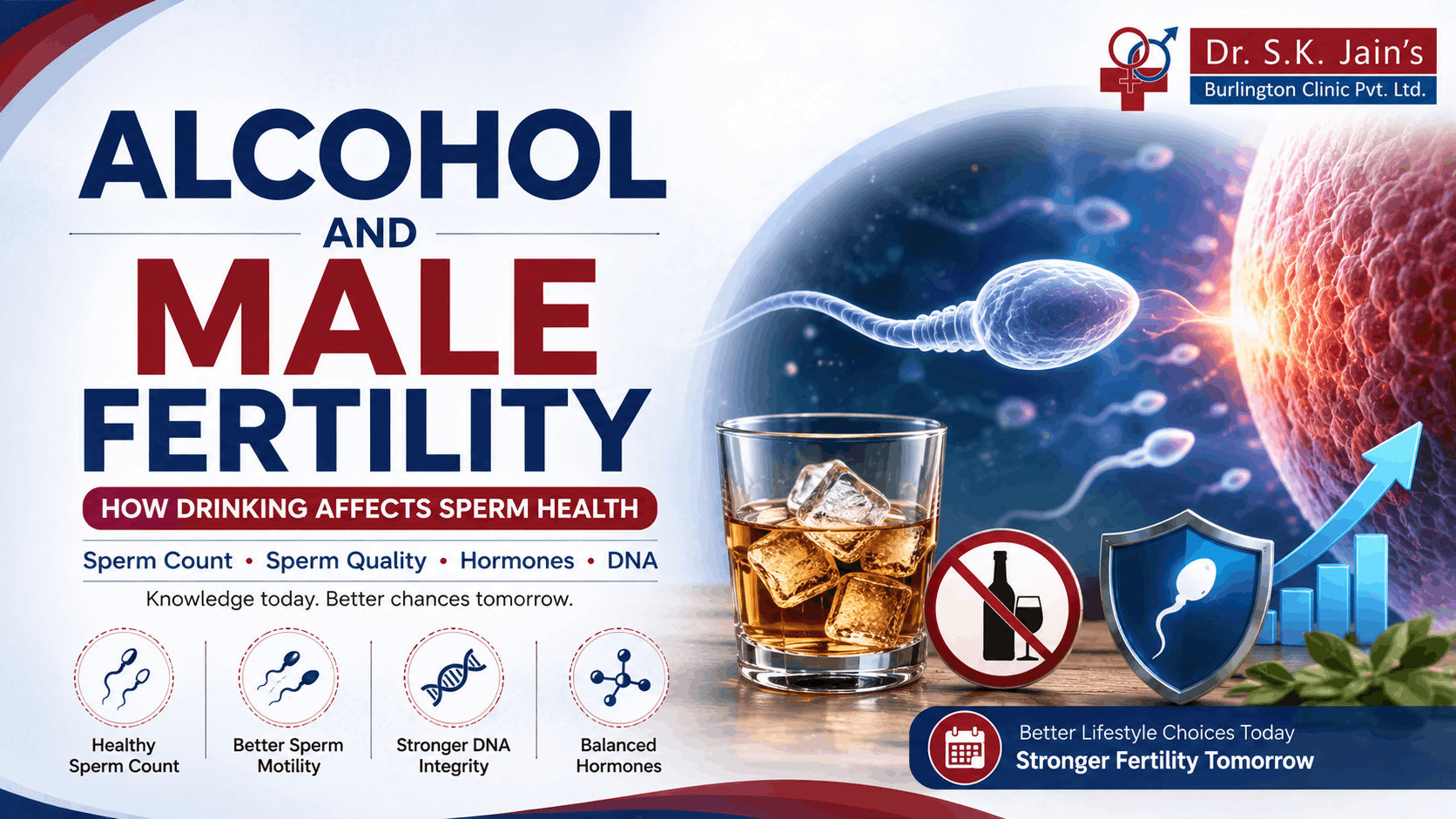
When couples start trying for a baby, most of the attention and most of the pressure tends to land on the woman. Ovulation tracking, diet tweaks, supplements. But fertility is a two-person equation, and roughly 15% of couples of reproductive age deal with infertility, with male factors playing a role in a significant share of those cases. One habit that quietly shows up in the research again and again is Alcohol. Several studies have shown a close connection between Alcohol and male fertility.
This is not about warning against Alcohol or telling anyone to stop drinking altogether. It’s about understanding what’s actually happening at a biological level because excessive alcohol use has been linked to measurable changes in sperm motility, structure, and overall semen quality in clinical studies.
So, if you’re planning for a family, this is one of those lifestyle factors worth knowing about before you need to know about it.
This blog discusses everything a couple should know about alcohol's effect on sperm, its count, and its quality.
Alcohol Effect on Sperm (The Science)
To understand Alcohol’s effect on male fertility, it is crucial first to understand how sperm are produced. A man’s body relies on a coordinated hormonal system between the brain and the testes. This involves testosterone and two supporting hormones, LH and FSH. The balance of all three hormones is essential for healthy sperm development, and it is precisely what Alcohol tends to disrupt.
Here is how alcohol affects sperm:
Men who drink heavily and regularly often show lower testosterone levels alongside elevated LH and FSH.
Over time, this imbalance begins to affect the cells within the testes responsible for producing sperm, slowing down sperm production. Moreover, the sperm that are produced are more likely to show quality issues.
In a nutshell, occasional or light drinking may not have the same effects. However, heavy or regular drinkers can have a hormonal environment, making healthy sperm production challenging.
Alcohol’s Effect on Sperm Count
Alcohol’s effects can go beyond sperm production. Lower sperm count is another major concern linked with heavier alcohol consumption.
A few studies comparing regular drinkers and non-drinkers have found significantly reduced sperm counts among men with chronic alcohol use.
This again directly connects to the hormonal disruption discussed above. Low testosterone levels and imbalanced hormones cause the testes to receive weaker signals for sperm production. Semen volume also tends to decline alongside sperm count.
It is still unclear whether individuals who are occasional drinkers may not see significant decline in sperm count like regular consumers.
Alcohol’s Effect on Sperm Quality (Motility & Morphology)
It is not only sperm count that determines fertility issues. The quality of the sperm is equally important. This is where understanding alcohol's effect on sperm quality becomes crucial. There are two terms to understand: motility and morphology.
Motility refers to a sperm’s ability to move effectively toward the egg. Studies have found that men with chronic alcohol use show an increase in slow-moving or non-motile sperm, reducing the likelihood of successful fertilization, as does pregnancy.
Morphology, on the other hand, refers to the structure of sperm. Some research says higher rates of abnormalities in the head, neck, and tail structure of sperm are seen among heavy drinkers. In simple words, daily alcohol consumption, even outside of heavy or chronic use, has similarly been linked to reduced normal sperm morphology.
Moreover, general semen characteristics such as appearance, pH, and viscosity typically remain unaffected. This suggests that Alcohol’s impact is targeted specifically at sperm development and not on the surrounding seminal fluid.
Alcohol, Sperm DNA Damage & Birth Defect Risk
Beyond sperm count and quality, Alcohol may also affect sperm at a genetic level. This is where the concern around alcohol's effect on sperm congenital disabilities becomes important among couples planning a pregnancy.
Specialized testing that examines how sperm DNA is packaged has shown that alcohol use can affect sperm motility, nuclear maturity, and DNA integrity. When DNA fragmentation increases, sperm carry genetic material that is not properly organized, which can affect embryo development even when fertilization is successful.
Data from fertility treatment studies support this concern. Research tracking couples through fertility treatment found that increased alcohol consumption by the male partner was associated with a meaningfully higher risk of not achieving a live birth, with the degree of risk varying based on the timing of exposure. Separate research has also linked alcohol consumption around the time of conception to increased rates of pregnancy loss.
These findings do not suggest that every man who drinks will experience these outcomes. They do indicate, however, that sperm DNA quality is a measurable factor influenced by alcohol consumption, and one that can improve with lifestyle changes made well before conception is attempted.
Is There a Safe Amount? What Research Says
The research on this question is genuinely mixed, and that nuance is important rather than settling on a single rule.
Some studies have found that moderate alcohol intake was not associated with reduced semen quality, with clearer negative effects appearing primarily among men with existing fertility issues who were also heavy drinkers. Other research has found that occasional consumption did not show a meaningful negative impact, while daily drinking was linked to reduced semen volume and abnormal morphology.
More recent analysis reviewing a broad range of studies found that men consuming more than seven units of Alcohol per week showed reductions in semen volume and reproductive hormones, while those consuming less than seven units weekly showed no meaningful changes.
Taken together, the evidence suggests that the frequency and volume of alcohol consumption matter more than occasional consumption alone. Light, infrequent drinking has not consistently shown a negative impact on fertility in the available research.
Regular or heavy drinking, however, consistently has. For men actively trying to conceive, this distinction offers a practical and realistic guideline rather than an absolute restriction.
Conclusion
Male fertility is often overlooked in conversations about conception, but the evidence is clear that lifestyle factors, including alcohol consumption, play a meaningful role in sperm health. From hormonal balance to sperm count, structure, and genetic integrity, Alcohol’s effects reach further than most people realize.
The reassuring part is that sperm health is not fixed. Since sperm regenerate on a two-to-three-month cycle, reducing alcohol consumption ahead of conception can lead to measurable improvements in fertility potential. Combined with a balanced diet, adequate sleep, regular physical activity, and stress management, these changes can meaningfully support reproductive health.


Leave a Reply