

August 14, 2026
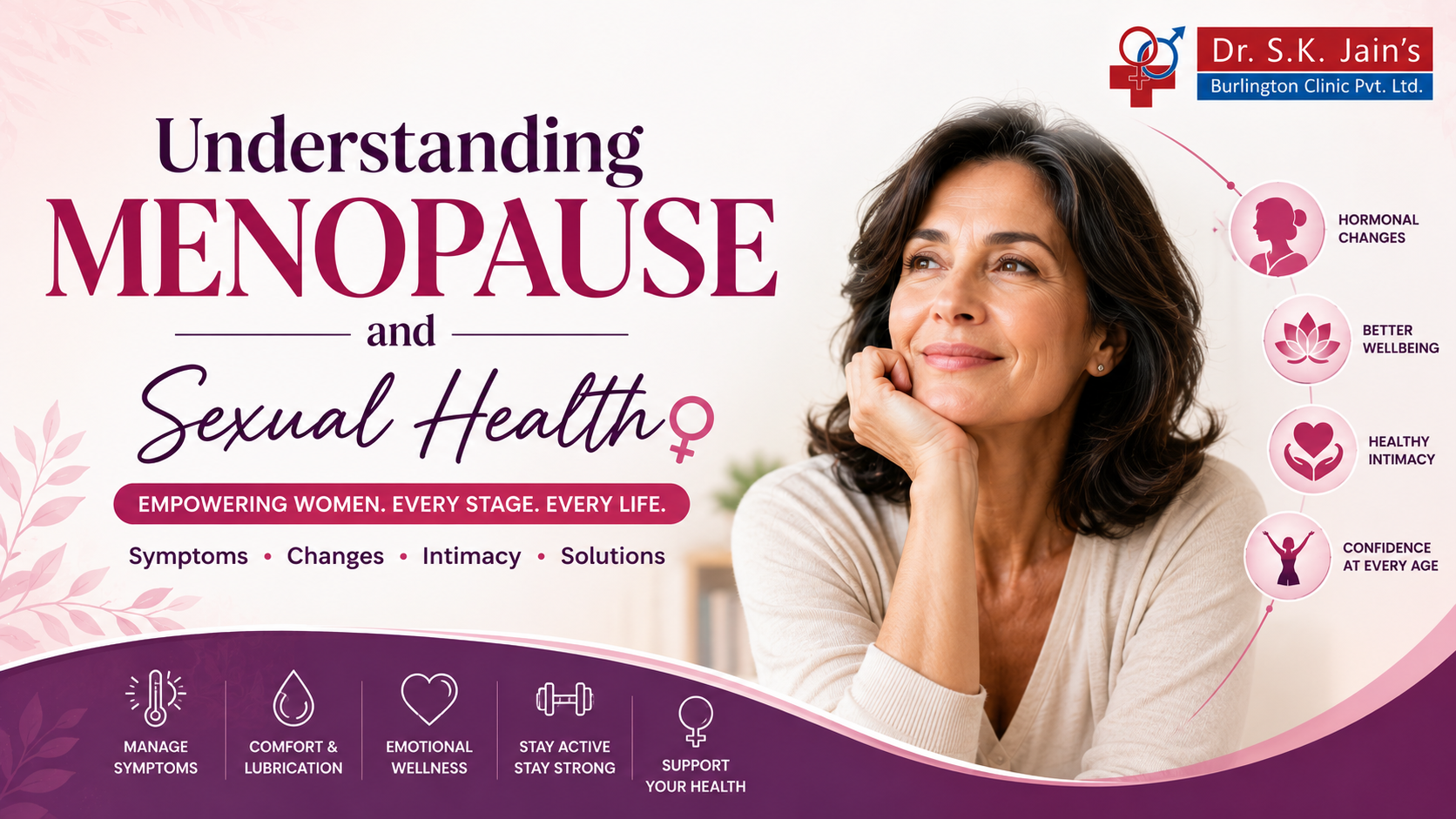
Understanding Menopause and Sexual Health
Menopause is a phase every woman goes through. Yet, it remains one of the least talked about topics in women’s health. Understanding the meaning and recognizing early menopause symptoms is crucial for every woman. This blog covers every small detail a woman should know about menopause, including when it typically begins, what changes to expect, and its relation to sexual health.
Sexual health after menopause is one of those topics that often gets left out of the conversation. Whether periods have already stopped or questions are just starting to come up, this blog breaks down the facts in simple terms.
Without any further ado, let’s dive in!
What Is Menopause?
Let’s first understand what menopause is exactly.
Menopause marks the end of a woman’s menstrual cycles. It refers to the point
when the ovaries stop releasing eggs and hormone levels drop, ending fertility permanently. Doctors define menopause as twelve consecutive months without a period.
How does it happen? It results from a decline in estrogen and progesterone. These are the hormones that control reproduction. This decline happens gradually, over several years, during a phase called perimenopause, before periods stop completely.
Most women reach this stage between ages 45 and 55. In most cases, the average age is 51. When menopause starts depends on genetics, lifestyle, and overall health. At the same time, some women reach it earlier than average. This is a condition known as early menopause.
Common Menopause Symptoms
Menopause symptoms can vary from woman to woman; however, most are linked to falling estrogen levels. Some of the most common ones include:
- Hot flashes: Sudden feelings of heat, often with sweating and a flushed face.
- Night sweats: Hot flashes that occur during sleep, disrupting rest.
- Irregular periods: Cycles that become shorter, longer, or unpredictable before stopping.
- Mood changes: Irritability, anxiety, or low mood.
- Sleep problems: Trouble falling or staying asleep.
- Vaginal dryness: Reduced lubrication, which can affect comfort during daily activities and sex.
- Weight gain: A slower metabolism that often leads to weight changes around the midsection.
- Thinning hair and dry skin: This is linked to lower estrogen levels.
- Reduced bone density: Higher risk of osteoporosis over time.
Early Menopause
When a woman’s periods stop before age 45, it is called early menopause. Typically, it affects a smaller percentage of women. But it follows the same biological process: a drop in estrogen and progesterone that ends fertility.
Several factors can lead to early menopause. Genetics, autoimmune conditions, smoking, and certain medical treatments like chemotherapy or surgical removal of the ovaries are some of the most common factors. However, in some cases, the exact cause may remain unknown.
The symptoms faced by women who experience early menopause are the same as those going through it at the typical age. But since it occurs earlier than expected, it can also raise long-term health considerations. Higher risk of osteoporosis and heart disease are two of those major concerns because the body is exposed to lower estrogen levels for a longer period of time.
If anyone notices signs of menopause before age 45, they should speak with a doctor to confirm the cause and discuss options.
Sexual Health After Menopause
Sex and menopause are connected in ways that often go unaddressed. The changing and falling estrogen levels affect the body beyond hot flashes and mood. Eventually, this also changes how women experience intimacy.
Sex desire after menopause can decrease for some women. It generally happens due to hormonal shifts, while others notice little to no change. But it is not just hormones that influence desire. Stress, relationship dynamics, and overall physical health can also play a role.
Desire is influenced by more than hormones alone. Stress, relationship dynamics, and overall physical health can all play a role.
Physical changes can also affect sex life after menopause.
Lower estrogen levels can lead to vaginal dryness and thinner vaginal tissue. These issues may cause discomfort during sex if left unaddressed. These changes are common and treatable, not a sign that intimacy has to end.
In a nutshell, it is important to note that sexual health after menopause is not just about physical function. Things like emotional wellbeing, open communication with a partner, and confidence in one’s body all shape this part of life as much as hormones do.
Can Women Have Sex After Menopause?
Yes, women can have sex after menopause. Menopause does not end a woman’s ability to have sex. Do women have sex after menopause regularly? Many do, and sexual activity can continue well into later life.
Sexual activity after menopause may require some adjustment. Vaginal dryness and thinner tissue, both linked to lower estrogen, can make sexual intercourse after menopause less comfortable without the right preparation. This does not mean sex has to stop. It means some changes may need attention first.
Can we have sex after menopause without pain or discomfort? For most women, yes, with the right approach. Using lubricants, taking time during intimacy, and addressing dryness through medical options when needed can make sex after menopause just as satisfying as before.
The physical changes are common and well understood by doctors, which makes them easier to manage than many women expect.
Tips for a Healthy Sex Life After Menopause
The following are a few tips that can help maintain a healthy sex life after menopause more comfortably and enjoyably:
The use of water-based or silicone-based lubricants can reduce friction and discomfort during sex.
Using vaginal moisturizers regularly can help cope with dryness beyond just during sex.
Talk to a doctor about hormones, such as topical estrogen or other treatments. It can help address vaginal dryness directly.
Take time with intimacy. This allows more time for arousal and helps the body respond more naturally.
Staying physically active through regular exercise supports blood flow, energy levels, and overall mood.
Maintaining open communication with your partner about comfort and changing needs makes intimacy easier for both people.
Prioritise pelvic floor health with exercises. It can improve sensation and comfort over time.
These sex after menopause tips apply broadly, but every woman’s experience is different, so results vary from person to person.
Conclusion
Menopause is a natural transition. This is not something that needs to be hidden or ignored. The key is to understand menopause symptoms, from hot flashes to changes in intimacy, which makes the process easier to manage.
Sex after menopause is possible and often just as fulfilling. However, the right information and care are essential. Speaking openly, whether with a doctor or a partner, is the first step toward navigating this stage with confidence.


Leave a Reply